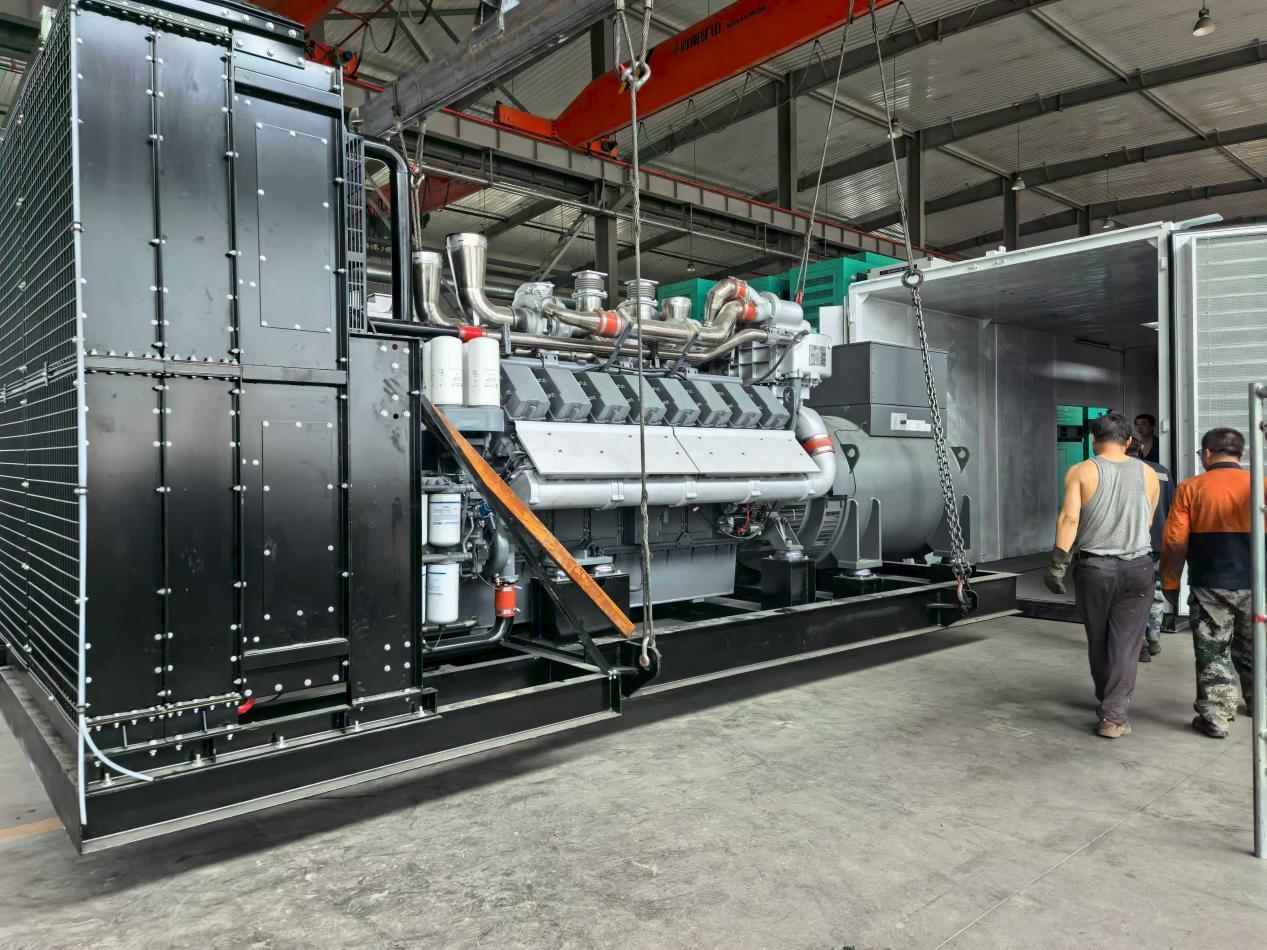
In modern society, generators are important power equipment widely used in various fields such as industry, agriculture, construction, and transportation. When choosing a suitable generator, multiple factors need to be considered to ensure it meets specific requirements.
This article will introduce the considerations for generator selection and analyze the key factors influencing the selection.
1. Load Requirements Before selecting a generator, it is necessary to clarify the load requirements. Load requirements include the type of load (such as motors, lamps, electrical equipment, etc.), load power (i.e., the required power capacity), and load characteristics (such as starting current, peak power, etc.). Based on different load requirements, different types and specifications of generators can be selected, such as AC generators, DC generators, diesel generators, etc.
3. Environmental Conditions Environmental conditions are also an important factor to consider when selecting a generator. For example, if the generator will be used in an outdoor environment, a generator with features such as waterproofing, dustproofing, and shock resistance should be chosen. In addition, climate conditions also need to be considered, such as the impact of high temperatures, low temperatures, and high altitudes on the generator.
4. Fuel Type The fuel type of the generator is also a factor to consider when selecting. Common fuel types include diesel, gasoline, and natural gas. Choosing the appropriate fuel type requires considering factors such as fuel cost, supply reliability, and environmental impact.
5. Maintenance and Operating Costs When selecting a generator, maintenance and operating costs also need to be considered. Different types and specifications of generators have different costs in terms of maintenance and operation. Therefore, factors such as generator reliability, maintenance cycle, and repair costs need to be comprehensively considered to select an economical and practical generator.
6. Noise and Vibration The noise and vibration of the generator are also factors to consider when selecting. Especially when using generators in residential areas or noise-sensitive environments, generators with low noise and vibration should be chosen to minimize the impact on the surrounding environment and human beings. When selecting a generator, it is necessary to comprehensively consider factors such as load requirements, power factor, environmental conditions, fuel type, maintenance and operating costs, and noise and vibration. Only by choosing a suitable generator based on actual needs can it ensure stable and reliable power support for various fields.

